
Anyone who has checked the same coin on two different exchanges has probably noticed the numbers don’t always line up. Part of that comes down to normal market differences, but a good chunk of it also comes from exchanges reporting data in slightly different formats.
That gap may gradually narrow as new compliance frameworks encourage exchanges to adopt more standardized approaches to handling account and transaction information.
Much of this shift is taking place behind the scenes, within compliance teams and back-office systems. But the ripple effects reach anyone who trades, checks balances, or compares platforms on a regular basis.
Why Crypto Exchanges Are Adopting Standardized Reporting
A handful of overlapping rules rolled out across 2025 and 2026 are the real reason this change is happening now. Regulators in different regions realized they were all asking exchanges for nearly the same information, just formatted differently, which created unnecessary work on both sides.
How CARF, DAC8, and MiCA Are Aligning Crypto Reporting
The Organisation for Economic Co-operation and Development built the Crypto-Asset Reporting Framework (CARF), an international standard for how exchanges pass account data to tax authorities. The European Union absorbed that standard into its own tax rule, called DAC8 (the EU’s Directive on Administrative Cooperation 8), which became active in early 2026.
Around the same period, the EU’s Markets in Crypto-Assets Regulation, known as MiCA, reached full enforcement. This introduced a more unified licensing and reporting framework for exchanges operating across EU member states.
Why Consistent Reporting Standards Matter for Regulators
Beyond tax reporting, anti-money laundering rules add another layer. The Financial Action Task Force (FATF), an international group that sets standards against money laundering, has pushed member countries to adopt what’s known as the Travel Rule, which requires exchanges to collect sender and receiver details on larger transfers.
More than 80 countries have some version of this rule in place already. Standardized data formats can reduce manual verification and improve operational efficiency for exchanges and regulators, including the platforms themselves.

How Standardized Reporting Affects Everyday Crypto Users
None of this sounds like something a trader would notice day to day, but a few practical changes are already visible for people who compare platforms often.

Why BTC Prices May Differ Across Exchanges
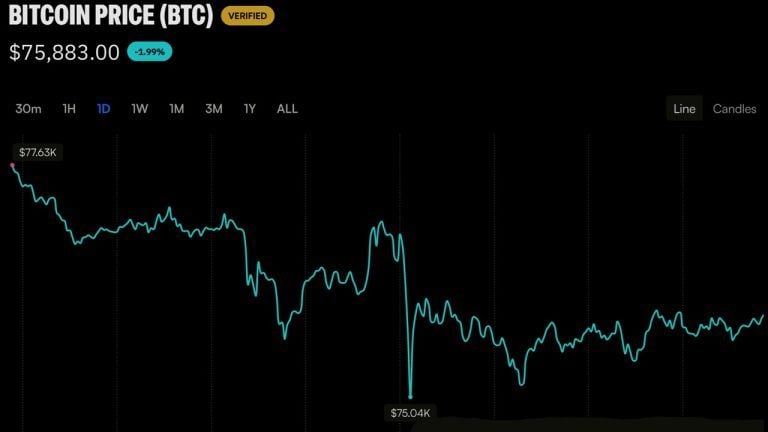
One of the more common frustrations is opening two apps and seeing the BTC price show up slightly differently on each, even during a quiet market. Some of that gap comes from timing, but a chunk of it traces back to exchanges reporting and refreshing data on their own separate schedules.
As more platforms align their reporting with shared standards, that kind of formatting-driven gap should shrink. It won’t erase normal price movement between exchanges, but it does cut down on confusion that has nothing to do with actual supply and demand.
How Standardized Data Benefits Portfolio Tracking Tools
People who track holdings across several exchanges using a single app or spreadsheet also benefit here. When platforms export data in a similar structure, those tools can pull accurate numbers faster, without needing a custom setup for every exchange added to the list.
How Crypto Exchanges Are Adapting to New Compliance Rules
Adjusting to these frameworks takes real engineering work, not just a policy update. Exchanges have to rebuild reporting pipelines, retrain compliance teams, and in some cases, restructure how they store customer data internally.
Examples of Exchanges Updating Their Compliance Systems
Some exchanges are further along than others on this front. Some crypto exchanges, including BTCC, have obtained licenses across multiple jurisdictions, including FinCEN in the United States, FINTRAC in Canada, and Lithuania’s FCIS for EU operations.
Why Compliance Adoption Varies Across Exchanges
Not every exchange is moving at the same pace. Smaller platforms with fewer resources often lean on third-party compliance vendors to help them meet these requirements without building everything from scratch, which is part of why the transition looks gradual rather than instant across the board.
What Standardized Reporting Means for the Crypto Industry
Standardized reporting won’t change how buying or selling crypto actually works, but it does chip away at one of the industry’s longer-running complaints: inconsistent, hard-to-compare data between platforms. As more exchanges settle into these shared frameworks, comparing information across exchanges may become more consistent as reporting standards mature and more like checking the same market from two windows.
Frequently Asked Questions
What is the Crypto-Asset Reporting Framework (CARF)?
It’s an international reporting standard, built by the OECD, that sets out how exchanges share account and transaction data with tax authorities.
How is MiCA different from earlier EU crypto rules?
MiCA replaces a mix of national rules with one licensing and reporting system that applies across all EU member states.
What does the Travel Rule require from exchanges?
It requires platforms to collect and share sender and receiver information for transfers above a set amount, based on FATF guidance.
Will these changes slow down trade execution?
No. These updates mainly affect reporting and compliance systems, not the speed of placing or settling trades.
Do these frameworks apply to every exchange worldwide?
Not uniformly. Requirements depend on where an exchange operates and which customers it serves, though many platforms are aligning voluntarily to stay competitive across markets.
Disclaimer
Please be advised that all information, including our ratings, advices and reviews, is for educational purposes only. Crypto investing carries high risks, and CryptoNinjas is not responsible for any losses incurred. Always do your own research and determine your risk tolerance level; it will help you make informed trading decisions.
The post How New Compliance Frameworks Are Standardizing Crypto Exchange Data appeared first on CryptoNinjas.

You can get bonuses upto $100 FREE BONUS when you:
💰 Install these recommended apps:
💲 SocialGood - 100% Crypto Back on Everyday Shopping
💲 xPortal - The DeFi For The Next Billion
💲 CryptoTab Browser - Lightweight, fast, and ready to mine!
💰 Register on these recommended exchanges:
🟡 Binance🟡 Bitfinex🟡 Bitmart🟡 Bittrex🟡 Bitget
🟡 CoinEx🟡 Crypto.com🟡 Gate.io🟡 Huobi🟡 Kucoin.














Comments