
Russia’s largest Moscow exchange is preparing to bring cryptocurrency trading into its traditional financial markets, setting December 1 as the target date for the launch of a new digital asset market. The move could give Russian investors a regulated route to trade Bitcoin, Ethereum, and Tether’s USDT through infrastructure already used for conventional securities.
However, the planned launch comes with significant restrictions. Retail investors will face annual purchase limits and mandatory testing, while the exchange’s existing international sanctions exposure raises questions about how attractive the new market will be to participants.
Moscow Exchange To Offer Digital Currency Transactions
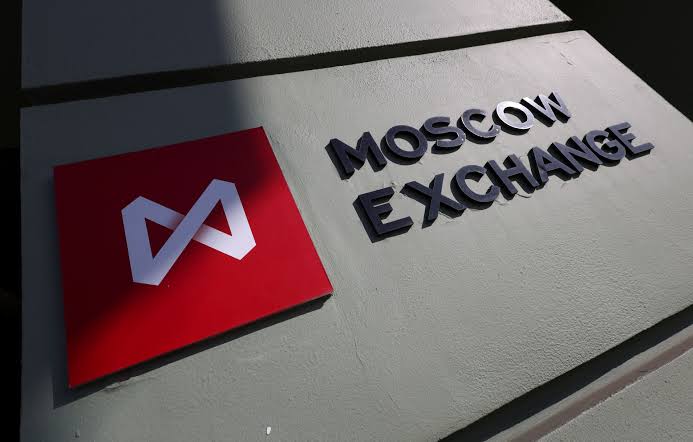
Moscow Exchange announced on November 2 that it plans to begin offering digital currency transactions from December 1, describing the initiative as Russia’s first organized digital currency market.
The initial offering will include Bitcoin (BTC), Ethereum (ETH), and Tether (USDT). Trading will take place using the exchange’s existing stock-market technology, with transactions processed through the National Clearing Centre (NCC).
&
The platform will initially support same-day and next-day settlements, known as TOD and TOM, alongside swap transactions intended to help participants manage liquidity. Trading hours will mirror those of the traditional stock market, running from 6:50 a.m. to 11:50 p.m. Moscow time.
The exchange plans to begin with pilot transactions before gradually connecting additional participants as they become ready.
Retail Investors Face Strict Purchase Limits
Although the launch represents a significant development for Russia’s regulated crypto market, access will not be unrestricted.
Under the Bank of Russia’s finalized rules, non-qualified investors will be able to purchase Bitcoin, Ethereum, and USDT up to a combined annual limit of 300,000 rubles through each individual intermediary. Investors must also complete testing and familiarize themselves with the risks before making transactions.
Qualified investors will have broader access, without the same asset-list and purchase-limit restrictions. However, they will still be required to undergo testing and acknowledge the risks associated with cryptocurrency investments.
The central bank’s rules take effect on November 17, creating a separate regulatory milestone ahead of Moscow Exchange’s planned December rollout.
US Sanctions Raise Questions About the New Market
One of the biggest challenges facing the initiative is the international sanctions imposed on Moscow Exchange and its clearing subsidiary.
Both entities were sanctioned by the United States in June 2024, raising questions about how international counterparties and digital asset providers will interact with the new trading infrastructure.
The inclusion of USDT also introduces another complication. Tether maintains a policy of freezing wallets associated with sanctioned entities, prompting questions about how that policy could apply to stablecoins held through the exchange’s clearing system.
Market participants have also questioned whether the new venue can compete with offshore exchanges and existing peer-to-peer markets. Exved founder Sergey Mendeleev expressed doubts about its attractiveness, warning that trading spreads could make the offering uncompetitive for ordinary investors.
Russia’s Crypto Market Moves Toward a New Phase
The December launch would mark another step in Russia’s effort to bring cryptocurrency activity under a regulated framework. Rather than replacing existing offshore trading channels immediately, Moscow Exchange is attempting to introduce digital assets through familiar financial infrastructure and centralized clearing.
The initial pilot phase will be important in determining whether brokers, institutional participants, and investors are willing to use the new system. Its longer-term success will depend on liquidity, trading costs, regulatory clarity, and the ability to operate despite international sanctions.
For Bitcoin and Ethereum, the development represents another example of traditional financial exchanges expanding access to digital assets. Whether Russia’s approach attracts meaningful demand remains an open question.
Can Moscow Exchange attract enough liquidity to compete with offshore crypto platforms?
Will the restrictions on retail investors limit the impact of Russia’s new digital asset market?
&

You can get bonuses upto $100 FREE BONUS when you:
💰 Install these recommended apps:
💲 SocialGood - 100% Crypto Back on Everyday Shopping
💲 xPortal - The DeFi For The Next Billion
💲 CryptoTab Browser - Lightweight, fast, and ready to mine!
💰 Register on these recommended exchanges:
🟡 Binance🟡 Bitfinex🟡 Bitmart🟡 Bittrex🟡 Bitget
🟡 CoinEx🟡 Crypto.com🟡 Gate.io🟡 Huobi🟡 Kucoin.















Comments